


Kane County, IL Divorce Lawyers
Compassionate Divorce Attorneys for Clients in Kane County, Illinois
Divorcing comes with numerous challenges, regardless of your generation or income bracket. Spouses often come into conflict about how to handle important issues, ranging from the division of child custody to the allocation of marital property. If you need help getting through the dissolution of your marriage, reach out to a Kane County, Illinois divorce lawyer who can guide you through your case.
At Fay & Farrow, we will take the time to understand your priorities in your divorce. Drawing on decades of legal experience and insights from countless cases, our attorneys will handle your case as efficiently as possible while preserving what matters to you.
What Is a Contested Divorce?
A contested divorce arises when a couple cannot come to an agreement on one or more key issues, such as property division, child custody, or spousal support. In contrast, an uncontested divorce occurs when both parties negotiate and finalize all terms before filing. Contested cases proceed through formal pleadings, discovery, and potentially a trial where a judge resolves outstanding disputes.
Litigation is not the only path to resolution. Many contested matters can be settled through alternative dispute resolution methods. Mediation enables spouses to work with a neutral third party to negotiate terms in a confidential setting. Our firm can also help you pursue direct negotiations with your spouse and their attorney, working toward a mutually agreeable settlement. By exploring these options, couples often achieve fair outcomes more efficiently and with less expense than a full trial.
What Assets Must Be Divided in a Divorce?
Illinois follows the principle of equitable distribution, which prioritizes fair division of all assets and debts. The process begins with identifying all property acquired during the marriage, regardless of the title on record. Common assets subject to division include:
- The marital residence, vacation homes, and real estate holdings
- Retirement accounts and pension plans, including IRAs and 401(k)s
- Investment portfolios, stocks, bonds, and mutual funds
- Automobiles, boats, and recreational vehicles
- Personal property such as furniture, jewelry, and artwork
- Business interests, partnerships, and professional practices
- Credit card balances, mortgages, and other marital debts
Our attorneys can audit financial records, obtain valuations for complex assets like businesses, and negotiate terms that reflect each spouse's contributions. A well-structured settlement agreement provides certainty and helps avoid costly litigation over hidden or disputed assets. If needed, our attorneys can also represent you in a trial to fight for a favorable share of marital property, referring to the aforementioned equitable distribution principle.
Do I Have to Pay Alimony in a Kane County Divorce?
Alimony, or maintenance, is not automatic in every Illinois divorce. Courts consider factors such as the duration of the marriage, each spouse's age and health, earning capacity, and the standard of living established during the marriage. Shorter marriages often result in rehabilitative maintenance designed to help a spouse obtain education or training for employment, while longer marriages may warrant term or permanent maintenance.
A spouse seeking support must demonstrate financial need and the other party's ability to pay. The court will also evaluate contributions to the marriage, including homemaking and child-rearing. Modifications may be available if circumstances change substantially after the decree. By analyzing the statutory factors and preparing a detailed financial affidavit, we can advocate for fair maintenance terms or challenge an unreasonable support request.
Contact a Kane County Divorce Attorney Today
At Fay & Farrow, our team will listen carefully to your concerns and explain your rights under Illinois law. We draw on deep experience and legal knowledge to uncover all relevant information and advocate effectively on your behalf. Call 630-961-0060 or contact our Kane County divorce attorneys to set up a free consultation.
Contact Our Team
Set up a consultation with us to get legal help with your family law case. Call 630-961-0060 or fill out the form below:

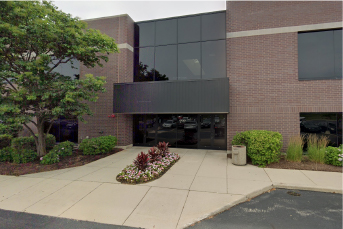
Naperville Office


From our office in Naperville, we provide legal help to clients in communities throughout DuPage County, Will County, Kane County, Kendall County, and Cook County, including Addison, Aurora, Bartlett, Bolingbrook, Carol Stream, Chicago, Des Plaines, Downers Grove, Elgin, Elmhurst, Evanston, Geneva, Glen Ellyn, Glendale Heights, Hinsdale, Joliet, Lisle, Lockport, Lombard, Oak Brook, Oswego, Palatine, Plainfield, Schaumburg, Skokie, St. Charles, Warrenville, West Chicago, Wheaton, and Woodridge.
Results listed are not a guarantee or indication of future case results.
©2026 Fay & Farrow 1730 Park Street, Suite 109, Naperville, IL 60563 630-961-0060