


Naperville, IL Divorce Appeal Attorneys
Experienced Lawyers Assisting With Divorce Appeals in Naperville, Illinois
After your divorce, you may not be satisfied with the outcome. This is sometimes inevitable in contested cases, but under certain conditions, you may be able to file an appeal to challenge the judge's final decision. With the help of a Naperville, IL divorce attorney, you can bring your petition to a higher court.
At Fay & Farrow, our attorneys have decades of trial experience. Since our firm was first opened in 1979, we have represented numerous clients in complex divorce cases, giving us a clear perspective on how to handle appeals. We will review your case to identify any grounds for appeal before pursuing the best course of action on your behalf.
Grounds to Appeal a Divorce in Illinois
In Illinois, appealing a divorce decree requires specific legal grounds. You cannot appeal simply because you disagree with the judge's decision. Instead, you must show that a legal error occurred during the original proceedings.
Common bases for appeal include improper admission or exclusion of evidence, misapplication of the law, lack of jurisdiction, or insufficient findings of fact. For example, if the court applied an incorrect statute when dividing marital property or erred in calculating support obligations, you may have valid grounds for appeal.
Another potential ground is procedural unfairness. If you were not given proper notice of hearings or your due process rights were otherwise violated, the appellate court may reverse or remand the decision. It is also possible to challenge the trial court's equitable distribution of assets if you can demonstrate that the court abused its discretion or overlooked significant factors, such as separate property contributions or hidden assets.
Possible Outcomes of an Appeal
An appeal does not guarantee that the appellate court will change the trial court's ruling. In most cases, the appellate court will review the record for legal errors and determine whether those errors materially affected the outcome. If the court finds no reversible error, it will affirm the original decree, leaving the trial court's orders intact. Even in the event of an affirmation, the appellate process can clarify legal principles for future cases.
If the appellate court identifies a reversible error, it may take several courses of action. The court can reverse the trial court's ruling entirely, remand (sending the case back to the trial court for further proceedings), or modify specific aspects of the decree. For instance, the appellate court might correct an error in the support calculation or order a new evidentiary hearing on property valuation. Occasionally, the appellate court may issue a summary disposition that resolves only a narrow legal question without full briefing or oral argument.
How to Prepare for an Appeal Hearing
Preparation for an appeal differs significantly from trial preparation. Because appeals focus on the trial record, you cannot introduce new evidence. Instead, your attorney will review transcripts, pleadings, and exhibits to identify preserved objections and establish the legal basis for each claimed error. It is essential to have made timely objections and motions at trial. Issues not raised before the trial court are generally waived on appeal.
To preserve your right to appeal, you must file a Notice of Appeal within 30 days after the entry of the final divorce judgment. Missing that deadline usually means forfeiting your ability to challenge the decree. Our firm can help file the notice on time and will prepare a brief that outlines the factual background, legal standards, and specific errors warranting relief.
Contact a Naperville Divorce Lawyer Today
At Fay & Farrow, we will evaluate your case, identify appealable issues, and guide you through each step of the process. To schedule a free consultation, call 630-961-0060 or contact our Naperville, IL divorce attorneys.
Contact Our Team
Set up a consultation with us to get legal help with your family law case. Call 630-961-0060 or fill out the form below:

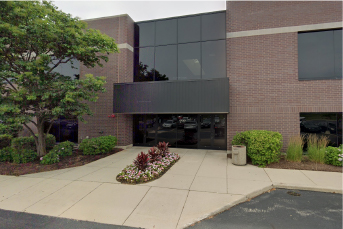
Naperville Office


From our office in Naperville, we provide legal help to clients in communities throughout DuPage County, Will County, Kane County, Kendall County, and Cook County, including Addison, Aurora, Bartlett, Bolingbrook, Carol Stream, Chicago, Des Plaines, Downers Grove, Elgin, Elmhurst, Evanston, Geneva, Glen Ellyn, Glendale Heights, Hinsdale, Joliet, Lisle, Lockport, Lombard, Oak Brook, Oswego, Palatine, Plainfield, Schaumburg, Skokie, St. Charles, Warrenville, West Chicago, Wheaton, and Woodridge.
Results listed are not a guarantee or indication of future case results.
©2026 Fay & Farrow 1730 Park Street, Suite 109, Naperville, IL 60563 630-961-0060