


Cook County, IL Divorce Lawyers
Strong Divorce Attorneys for Residents of Cook County, Illinois
Divorce is often stressful for all parties involved. Depending on the level of conflict between the spouses, it may be difficult to come to a joint agreement without intensive negotiations. No matter what your divorce looks like, seeking out counsel and representation from a Cook County divorce attorney is an advantageous first step to take.
Since our firm was first established in 1979, Fay & Farrow has guided countless clients through rigorous divorce proceedings over the years. Our seasoned attorneys handle every case with an individualized approach, ensuring that each client gets proper attention as we pursue an ideal outcome.
What Does Equitable Distribution Mean in Illinois Divorces?
Equitable distribution is the legal principle Illinois courts use to divide marital property fairly, but not necessarily equally in a divorce. Marital property encompasses assets and debts acquired from the date of marriage until the date of separation. The court examines factors such as each spouse's contributions to the marriage, the duration of the marriage, and each party's economic circumstances.
A spouse who maintained the household or supported the other's career may receive a larger share of certain assets. Likewise, a spouse who brings specialized skills or increased earning capacity into the marriage can see that contribution acknowledged. The court also considers health, age, and custodial responsibilities when determining each party's needs. Non-marital property—such as inheritances, gifts, or pre-marriage assets—remains separate unless those holdings were commingled with marital assets.
By focusing on fairness rather than a strict 50/50 split, equitable distribution allows the court to tailor outcomes to the unique financial and personal dynamics of each marriage.
Why Are Retirement Accounts Difficult to Divide?
Retirement plans, like 401(k) accounts and pension benefits, pose unique challenges in divorce because they involve future income streams and tax implications. First, present values depend on market fluctuations and plan‐specific rules. A 401(k) balance at separation may increase or decrease significantly by the time of division, requiring careful actuarial analysis.
Second, retirement benefits often vest over time, meaning that only portions of the account may belong to the marriage. The non-vested portions remain contingent on continued employment and can require expert testimony to determine the marital share.
Third, dividing these accounts requires a Qualified Domestic Relations Order (QDRO) or similar court document to instruct plan administrators on how to split assets without triggering early withdrawal penalties. Failure to draft the QDRO correctly can lead to tax liabilities and distribution delays.
Given these complexities, working with attorneys and financial specialists helps ensure retirement accounts are valued accurately, divided properly, and preserved for each spouse's future needs.
Is Mediation Worth Trying in a Cook County Divorce?
Mediation offers an alternative to courtroom battles by bringing spouses together alongside a neutral mediator to negotiate settlement terms. In Cook County, this process can save time and legal fees while allowing parties to craft creative solutions tailored to their family's needs.
During mediation sessions, spouses discuss issues such as property division, parenting time, and support obligations in an informal setting. The mediator facilitates communication, helps identify common ground, and proposes options for compromise. Since participants retain control over decisions, they often find the outcomes more satisfactory and sustainable than court-imposed rulings.
Mediation also preserves privacy, as settlement discussions remain confidential. For couples willing to cooperate, this process can reduce emotional stress and foster a more amicable post-divorce relationship—particularly important when children are involved. Even if mediation does not resolve every issue, it can narrow disputes and streamline subsequent court proceedings.
Contact a Cook County, IL Divorce Attorney
Navigating equitable distribution, retirement division, or mediation involves detailed legal knowledge and strategic planning. At Fay & Farrow, our legal team combine extensive family law experience with a commitment to personalized service. We explain your rights under Illinois law, outline potential outcomes, and guide you through each step of the process with clarity and care. Call 630-961-0060 or contact our Cook County divorce attorneys today for a free consultation.
Contact Our Team
Set up a consultation with us to get legal help with your family law case. Call 630-961-0060 or fill out the form below:

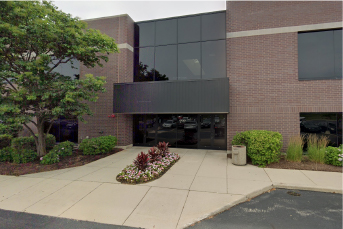
Naperville Office


From our office in Naperville, we provide legal help to clients in communities throughout DuPage County, Will County, Kane County, Kendall County, and Cook County, including Addison, Aurora, Bartlett, Bolingbrook, Carol Stream, Chicago, Des Plaines, Downers Grove, Elgin, Elmhurst, Evanston, Geneva, Glen Ellyn, Glendale Heights, Hinsdale, Joliet, Lisle, Lockport, Lombard, Oak Brook, Oswego, Palatine, Plainfield, Schaumburg, Skokie, St. Charles, Warrenville, West Chicago, Wheaton, and Woodridge.
Results listed are not a guarantee or indication of future case results.
©2026 Fay & Farrow 1730 Park Street, Suite 109, Naperville, IL 60563 630-961-0060