


Naperville, IL Non-Minor Support Attorneys
Skilled Non-Minor Support Lawyers Negotiating for College Expenses in Naperville, Illinois
When parents get divorced, one parent will typically be ordered to pay child support. This is intended to cover a child's necessities until they graduate from high school and become an independent adult. However, for many divorced parents, paying for college is a legitimate concern. Wherever you stand on the issue, a Naperville family law attorney can help you negotiate for an agreeable resolution.
Negotiating for non-minor support requires a keen understanding of Illinois law. At Fay & Farrow, our attorneys draw on decades of shared legal experience, giving us a deep understanding of support obligations. We will guide you through the proceedings and help you build a case based on your financial situation.
Am I Required to Pay for My Child's College Expenses?
In Illinois, parents have a duty to support their children until they reach age 18 or graduate from high school, whichever comes later. Although not required, courts may still order support for college expenses. This is known as non‐minor support.
The court will look at factors such as the child's academic record, the cost of tuition, and the parents' ability to pay. Even if you and the other parent agree on a plan, the court must approve it. If you cannot reach an agreement, either parent may ask the court to decide how much each should contribute to tuition, fees, room and board, and other education‐related costs.
Calculating Non-Minor Support for College Expenses
Calculating non‐minor support begins with the family's income. Illinois law does not use the same formula for college support that applies to minor child support. Instead, the court considers each parent's net income after taxes and mandatory deductions. From there, the court evaluates the reasonable cost of the child's chosen school, including mandatory fees and living expenses.
Next, the court assigns each parent a share of those costs based on their income. For example, if one parent earns 65 percent of the combined income, that parent may pay 65 percent of college expenses. The court also takes into account any scholarships, grants, or work‐study earnings the student receives. It may adjust contributions if one parent has other financial obligations, such as supporting additional children or paying spousal maintenance. Our attorneys will argue for a support arrangement that reflects your financial needs while still serving your child's best interests.
When Does Non-Minor Support for College Expenses End?
Unlike mandatory child support, which a parent must pay until a child turns 18 or graduates from high school, non-minor support for college expenses is conditional. This ensures that support serves its intended purpose—helping a student who is actively pursuing higher education—rather than creating an open-ended obligation for parents.
If the student drops below half‐time enrollment or fails to make satisfactory academic progress, the court may modify or terminate the support order. Either parent may file a petition to change the amount or duration of support if the student's circumstances change, such as withdrawing from school or transferring to a less expensive program. It is important to monitor academic standing and keep the court informed of any major changes.
In most cases, non-minor support may continue until the child turns 23 or earns their bachelor's degree. If the student marries before turning 23, support generally terminates as of the marriage date.
Contact a Naperville Non-Minor Support Lawyer Today
At Fay & Farrow, we will take the time to understand your family's unique circumstances and clearly explain how Illinois law applies to your situation. We leverage our extensive experience and legal insight to effectively represent you in support negotiations, standing up for your interests. Call 630-961-0060 or contact our Naperville, Illinois non-minor support attorneys to schedule your free consultation today.
Contact Our Team
Set up a consultation with us to get legal help with your family law case. Call 630-961-0060 or fill out the form below:

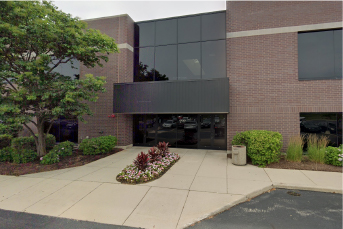
Naperville Office


From our office in Naperville, we provide legal help to clients in communities throughout DuPage County, Will County, Kane County, Kendall County, and Cook County, including Addison, Aurora, Bartlett, Bolingbrook, Carol Stream, Chicago, Des Plaines, Downers Grove, Elgin, Elmhurst, Evanston, Geneva, Glen Ellyn, Glendale Heights, Hinsdale, Joliet, Lisle, Lockport, Lombard, Oak Brook, Oswego, Palatine, Plainfield, Schaumburg, Skokie, St. Charles, Warrenville, West Chicago, Wheaton, and Woodridge.
Results listed are not a guarantee or indication of future case results.
©2026 Fay & Farrow 1730 Park Street, Suite 109, Naperville, IL 60563 630-961-0060